Stainless Steel Stone Bonding vs. Stone Setting:A Core Selection Guide After Technological Iteration
Below is a concise breakdown across three critical dimensions:
I. Cost: Stone Bonding Excels in Value; Stone Setting Commands a Technical Premium
Stone Bonding: A simplified process (substrate degreasing and roughening + specialized adhesive bonding + curing) that requires no complex equipment. It offers clear advantages in mass production. High-quality epoxy AB adhesives and structural adhesives ensure reliability, delivering far better cost-performance than low-quality stone setting. Suitable for accessible price points as well as cost-controlled high-end customization.
Stone Setting: Traditional methods involve complex steps such as grooving, welding, and polishing, resulting in costs 30%–60% higher than stone bonding. Even with laser cutting and precision CNC reducing technical barriers, the process still requires specialized equipment and skilled craftsmen, leading to a noticeable premium. Best suited for applications that emphasize texture and a sense of value.
II. Visual Effect: Stone Setting Feels Refined and Luxurious; Stone Bonding Is Flexible and Versatile
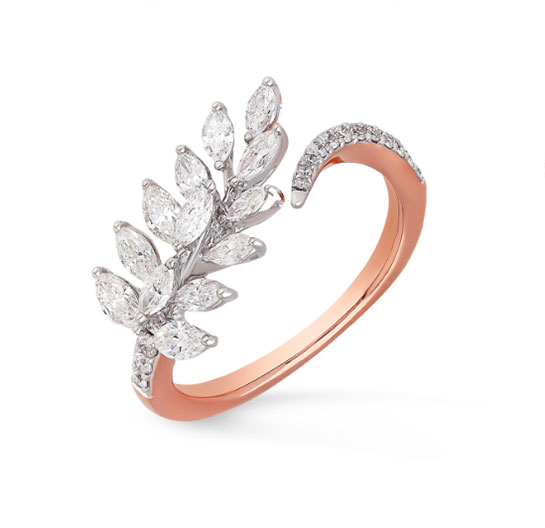
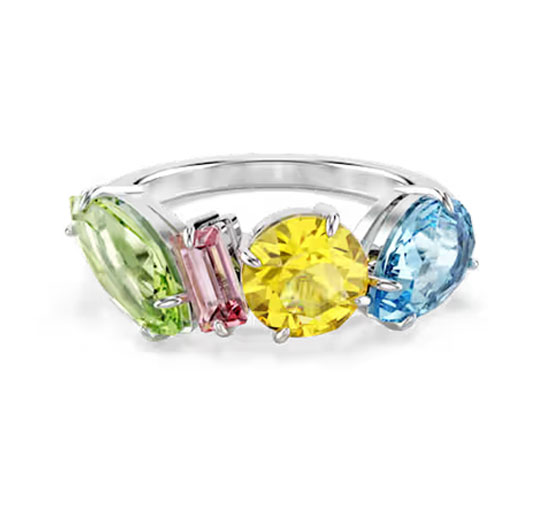
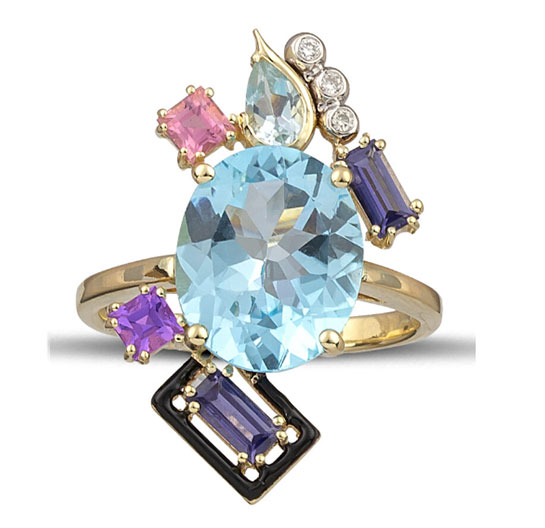
Stone Setting: With technical breakthroughs, prong setting and micro-setting can rival precious-metal jewelry craftsmanship. Slender prongs enhance gemstone brilliance, making this method ideal for high-end jewelry and light luxury decorative items. However, on irregular or curved substrates, tight fitting can be difficult, potentially compromising a clean, minimalist aesthetic.
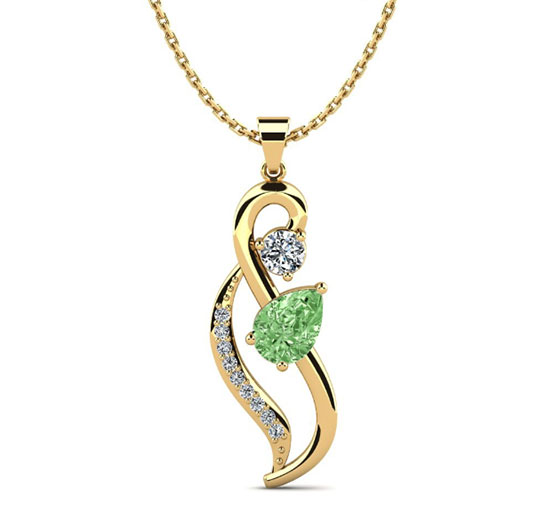
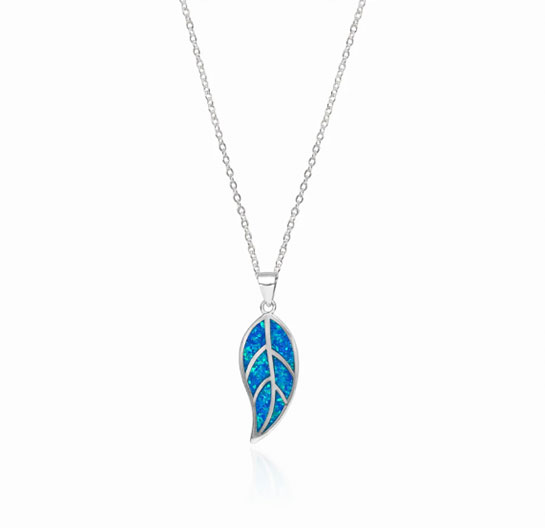
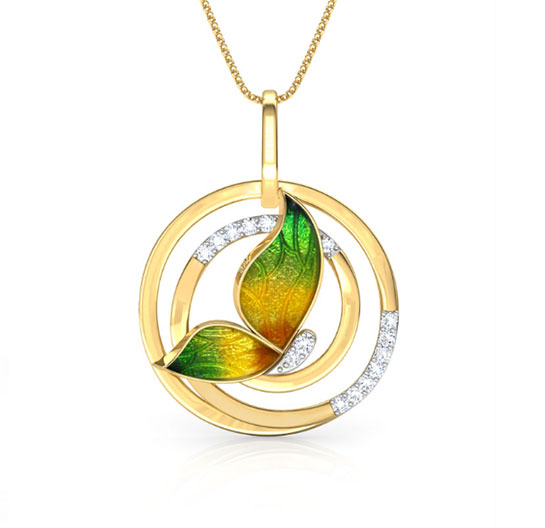
Stone Bonding: Invisible fixation with no exposed structures creates seamless, smooth, and refined surfaces. Well suited for minimalist styles, irregular designs, and small-stone mosaics. It also protects fragile materials such as crystal and agate, reduces dust buildup and rusting, and makes cleaning more convenient.
III. Durability: Standardized Workmanship + Quality Materials Are Decisive
Stone Setting: Laser welding combined with precision machining ensures stable prong connections, offering resistance to daily friction and minor impacts. Suitable for thick substrates and static high-end products, while high-frequency collisions should be avoided.
Stone Bonding: Specialized adhesives achieve molecular-level bonding, with post-curing shear strength exceeding 20 MPa, along with resistance to temperature extremes and aging. With a service life of decades, it performs exceptionally well in light-load, high-friction scenarios (such as watch straps and skirting boards). Stone detachment usually results from inferior adhesives or improper workmanship rather than the process itself.
Core Selection Recommendations
Choose Stone Bonding for: mass production, cost control, minimalist or irregular designs, and light-load applications.
Choose Stone Setting for: refined detailing, a sense of value and luxury, static high-end products, and thick-substrate applications.
Technology has broken traditional biases—there is no inherently superior or inferior process. Matching the technique to real needs is what truly matters.