Welcome to Yibi Jewelry

Stainless steel is becoming a material worth exploring for jewelry brands. Yet a number of misconceptions remain: some believe it is suitable only for simple, basic designs; others question whether it can deliver a refined look, or have concerns about stone setting, weight and surface treatments. In fact, stainless steel offers a wide range of design and manufacturing possibilities. The following ten questions offer a closer look at the material.
Yes. Stainless steel can support a variety of jewelry-setting techniques.
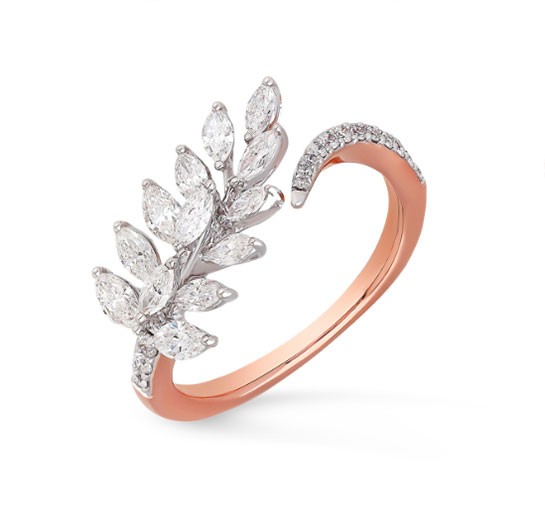
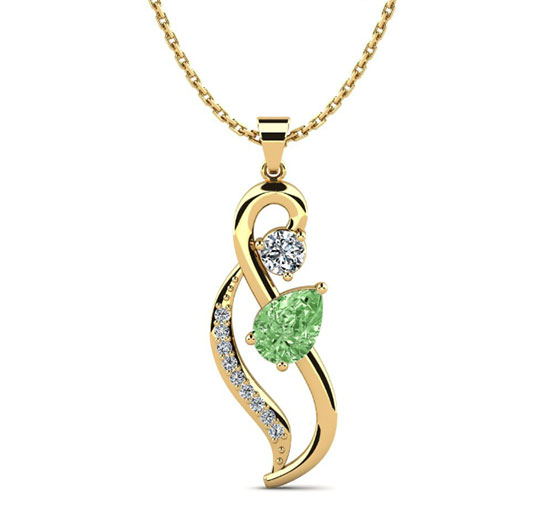
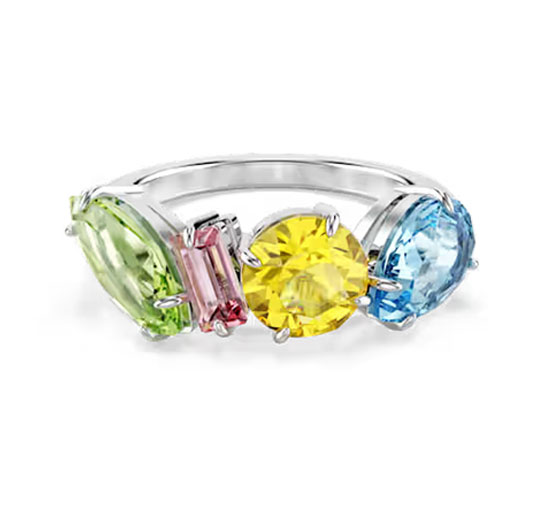
Depending on the product design and structural requirements, stainless steel can be developed with prong, bezel and channel settings, suitable for diamonds, colored gemstones and other decorative materials.
Compared with gold and silver, stainless steel has higher hardness, so machining and setting methods need to be adapted accordingly. For example, the dimensions, thickness and angle of the prongs, as well as the setting structure, must be designed around the material’s properties to ensure secure stone retention and overall precision.
Micro-pavé settings, with particularly small and closely spaced prongs, place even higher demands on machining precision and setting techniques. This remains an area of ongoing technical development for us.
At the same volume, stainless steel is actually lighter than silver and gold.
316 stainless steel has a density of approximately 8.0 g/cm³, compared with approximately 10.49 g/cm³ for 925 sterling silver and 19.3 g/cm³ for gold. At the same volume, stainless steel is about 24% lighter than silver and 59% lighter than gold.
The final weight of a product also depends on its design. Hollow construction, openwork, thin walls and internal structural optimization can further reduce weight while retaining the desired volume and visual presence.
Stainless steel can therefore be used for both substantial designs and lightweight, refined everyday jewelry.
The design possibilities of stainless steel extend far beyond basic hoops and simple chains.
Through precision CNC machining, metal injection molding (MIM), stamping, laser processing and component assembly, manufacturers can develop sculptural curves, openwork structures, complex links, precision connection structures and multi-layered forms.
Beyond decorative jewelry, stainless steel can also be used for functional metal components, such as spring clasps, connectors, locking clasps, articulated joints and other structures designed for repeated opening and closing.
These products must balance appearance with elasticity, structural strength, dimensional accuracy and long-term performance. Materials and manufacturing processes can be selected according to each product’s functional requirements.
Both are austenitic stainless steels with similar base alloy systems, but their alloy compositions and properties differ.
Both 304 and 316 are primarily composed of iron, chromium and nickel. 316 additionally contains approximately 2–3% molybdenum, giving it better resistance to pitting corrosion in chloride-containing environments. 316 also typically contains more nickel than 304.
316 is one of the materials commonly used in jewelry manufacturing. 316L is the low-carbon version of 316, with carbon content being the main difference.
Not every component needs to be made from 316. For example, certain functional components that require elastic recovery may use 304, depending on the material condition, cold-working and structural requirements, to achieve the necessary spring performance and repeated-use characteristics.
Based on our regular sourcing experience, the difference in raw material cost between 304 and 316 is relatively small. Material selection should therefore be driven primarily by product function, processing requirements and the intended service environment.
Gold-tone stainless steel treated with high-quality PVD is not prone to losing its color quickly under normal use, although prolonged friction can still cause coating wear.
Gold is not the natural color of stainless steel; it is achieved through surface treatment. Compared with traditional electroplating, PVD can use hard coating materials and generally offers higher surface hardness and wear resistance. At a similar per-piece processing budget, PVD is often more favorable for maintaining a product’s color and appearance.
Traditional electroplating offers process flexibility and can produce a range of metallic colors and finishes. However, common decorative plating layers may gradually wear under prolonged friction, particularly on frequently contacted areas such as rings and bracelets.
For brands that prioritize durability in daily wear and color retention, PVD is therefore a surface-treatment option worth prioritizing. Actual performance still depends on coating materials, process control and conditions of use.
Stainless steel has good corrosion resistance, but this does not mean it is immune to corrosion in every environment.
Chromium in stainless steel forms an extremely thin passive film on the surface, helping protect the underlying metal and reduce the risk of oxidation and corrosion.
316 stainless steel is generally stable under normal daily-wear conditions. Unlike silver jewelry, it is less prone to the common black tarnish associated with sulfide formation and does not require frequent polishing.
However, prolonged exposure to high concentrations of chlorides, bleach or highly corrosive chemicals can still cause problems such as pitting corrosion. Proper material selection, surface treatment and routine cleaning remain important.
Nickel is an important alloying element in stainless steel, but the presence of nickel in the material does not automatically mean it will cause a skin reaction.
In 304 and 316 stainless steels, nickel helps stabilize the austenitic structure, giving the material good toughness, ductility and workability. Chromium forms the protective passive film, while molybdenum in 316 further improves resistance to pitting corrosion.
For jewelry, the key factor is nickel release, not simply the nickel content of the material. The corrosion resistance of 316 can help control nickel release, but it should not be described as absolutely hypoallergenic.
EU REACH sets specific nickel-release limits for products in direct and prolonged contact with the skin: no more than 0.5 μg/cm²/week for articles intended for direct and prolonged skin contact, and no more than 0.2 μg/cm²/week for piercing posts and assemblies.
Yibi manages nickel release in jewelry product development and quality control in accordance with relevant EU REACH requirements, and applies appropriate testing standards based on product use scenarios.
Meeting EU nickel-release requirements is therefore an important part of product safety and quality control, and provides brands with a clearer basis for compliance when serving the European market.
The value of stainless steel lies in its ability to combine material cost, durability and design versatility.
Compared with silver and precious metals, stainless steel offers a more competitive material cost. It can help brands optimize the cost structure of selected products and explore new retail price points.
It also offers good corrosion resistance and relatively high hardness, making it suitable for everyday jewelry and products subject to frequent use. Different surface treatments can create steel-tone, gold-tone, black, brushed and two-tone finishes.
Beyond traditional necklaces, rings and bracelets, stainless steel can also be extended to bag charms, key rings, decorative chains, functional metal components, men’s jewelry and lifestyle products.
For brands, this means stainless steel can serve both as an alternative material for existing products and as a platform for developing new collections and consumption scenarios.
Stainless steel offers good water and corrosion resistance, but prolonged exposure to damp conditions is not recommended.
Brief contact with clean water in daily use generally does not have a significant effect on 316 stainless steel. However, if jewelry remains wet for extended periods, particularly when exposed to sweat, salt, detergents or other residues, its surface may gradually lose its original luster and appear dull.
For products with PVD coatings, long-term friction and exposure to chemicals should also be considered.
It is therefore advisable to remove jewelry before swimming, bathing in hot springs or using cleaning products. After daily wear, rinse with clean water if needed and dry promptly. Avoid storing jewelry in persistently damp conditions to help preserve its luster and appearance.
Material cost and perceived product quality are not the same thing.
The final quality of a piece of jewelry depends on multiple factors, including design, structure, machining precision, surface treatment and assembly.
Stainless steel can achieve a crisp mirror finish through precision machining and high-gloss polishing. Brushing, sandblasting, PVD and fine engraving can also create different visual effects. Combined with gemstone settings, pearls, enamel and other materials, it can support products with rich detail and complexity.
Of course, stainless steel has a different material value and market perception from precious metals such as gold and platinum. That does not prevent brands from developing stainless steel into collections with their own distinct positioning and aesthetic value through thoughtful design and manufacturing.
The potential of stainless steel jewelry goes far beyond basic chains and simple metal components.
From a range of setting techniques and complex forms to functional components, mixed-material combinations and surface treatments, stainless steel supports a broad spectrum of product designs. Its durability and more competitive material cost also give brands new room for product development.
What ultimately defines the quality of a piece of jewelry is the combination of material properties, design capability and manufacturing craftsmanship.