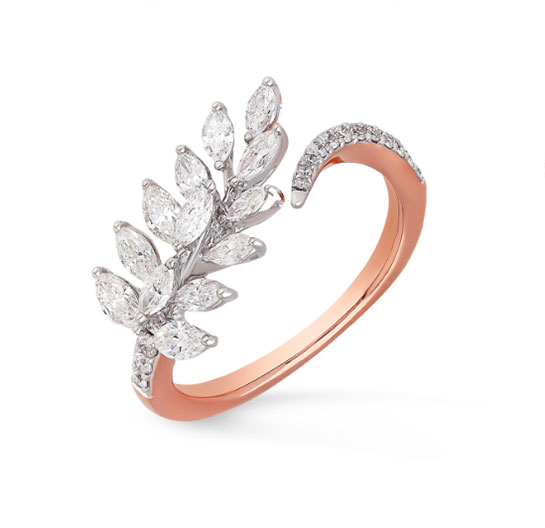
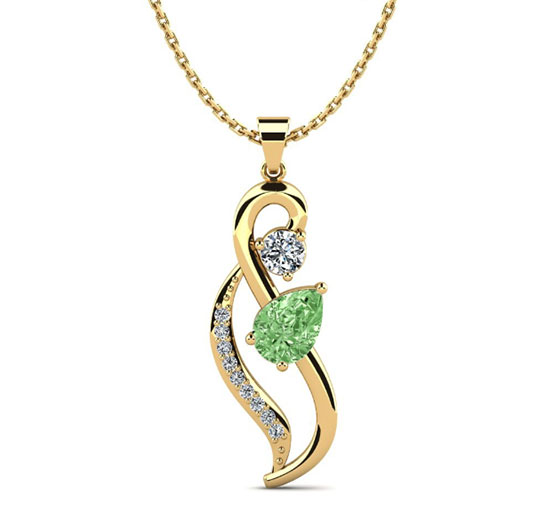
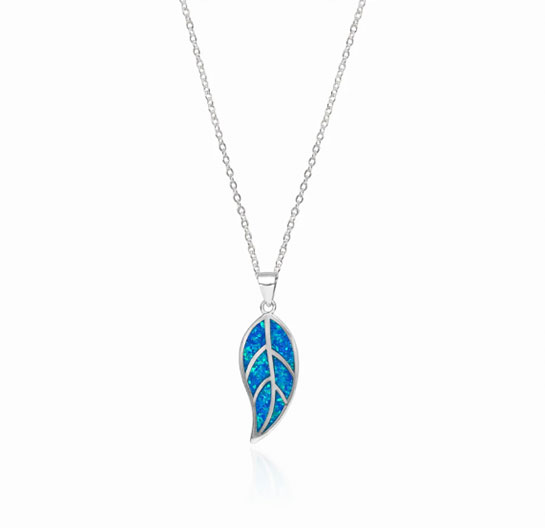
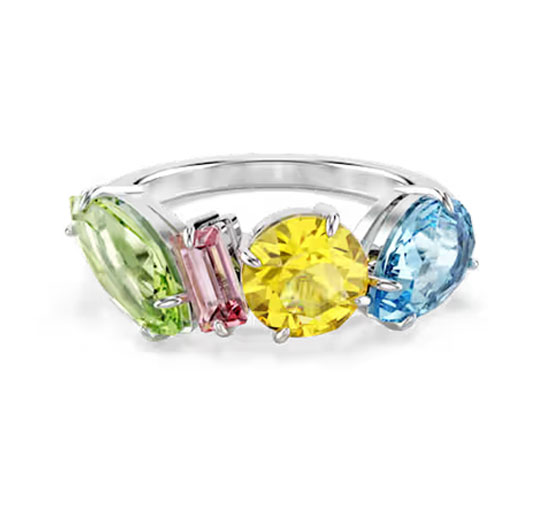
Welcome to Yibi Jewelry

banner

Stainless Steel Hand‑Set Jewellery – A Technical Deep Dive (316 & 316L)

cover

1. Stainless Steel Properties – Foundation & Challenges

Recommended grades

  • 316 (HV 210–230) – good workability, ideal for sapphires, rubies.
  • 316L (HV 220–240) – added molybdenum, higher wear/corrosion resistance, used in coastal or outdoor jewellery.

Avoid 201 / 202 – poor corrosion resistance, risk of rust.

Main challenges for hand setting

  • High hardness, low ductility – prongs and bezels may crack or deform.
  • Difficult soldering – high heat can cause oxidation, slag, or damage heat‑sensitive stones.
  • Poor surface adhesion – adhesives bond weakly; wrong process sequence leads to loose stones or flaking coatings.
Article content
stone setting

2. Core Hand‑Setting Process for Stainless Steel

2.1 Preparation

  • Polish base, remove oxide layers.
  • Anneal prong/bezel material at 800‑900°C (30 min, then cool naturally).
  • Clean stones, calculate setting clearance 0.1‑0.2 mm.
  • Use fine saws, micro motors, stainless‑steel‑specific torch.

2.2 Four key setting techniques

Prong setting

  • Annealed wire (0.8‑1.2 mm) → 4 or 6 prongs.
  • Spot weld at 1000‑1200°C.
  • Press prongs evenly over the girdle.
  • Yibi note: Annealing temperature is critical to avoid cracking.
  • We have already achieved planar pave on stainless steel comparable to precious metals; curved pave is under optimisation.

Bezel setting

  • 0.3‑0.5 mm sheet → form a ring with 0.1 mm clearance.
  • Insert stone, press bezel uniformly.
  • Balance security with a light, premium feel.

Channel setting

  • Cut channel: 0.1 mm narrower than stone girdle, depth ½–⅔ of stone height.
  • Insert stones in a row, compress channel walls.
  • Yibi uses standardised channel dimensions for batch production.

Pave / micro‑pave setting

  • Lift metal beads, shape into small pins.
  • Place stones (≥4 beads per stone).
  • Use microscope for precision.

2.3 Post‑setting finishing

  • Polish (mirror or matte).
  • Ultrasonic clean (3‑5 min).
  • Pull test ≥5 N – no looseness.
  • 316 / 316L do not need protective oil.

3. Common Problems & Practical Solutions

Article content
chart

4. Quality Inspection & Industry Trends

Required checks

  • Material – spectral analysis confirms 316 / 316L, no harmful elements.
  • Security – pull force ≥5 N, no deformation under simulated wear.
  • Surface – no burrs, uniform coating.

Yibi applies luxury‑level inspection protocols for hand‑set stones on 316/316L.

Industry direction

  • More precision, more environmentally responsible processes.
  • Combination of hand setting with mechanical aids.
  • Improved adhesives, plating, and use of recycled stainless steel.

As a manufacturing partner to top luxury brands, Yibi continues to optimise curved pave, coating integration, and batch quality.


Closing Mastering hand‑set stones in stainless steel requires precise material understanding and disciplined technique. By focusing on core methods and quality control, manufacturers can produce secure, beautiful, and durable high‑end jewellery.

Yibi – stainless steel jewellery manufacturing for luxury supply chains.

China OEM Jewelry Manufacturer YIBI Jewelry Co., Ltd. All rights reserved. 粤TCP备16060883